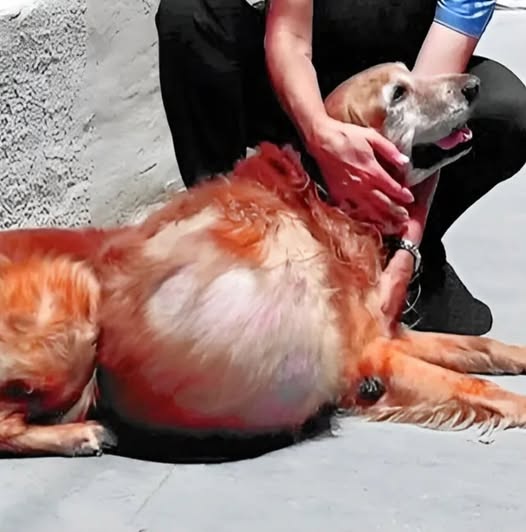






For 16 years, one man and his beloved dog shared an unbreakable bond built on daily routines, quiet companionship, and unconditional loyalty. Every morning began with a familiar greeting, every evening ended with the comfort of knowing they were together, and countless memories filled the years in between. When the elderly dog suddenly disappeared, the owner began an emotional search that has now lasted for several days, hoping to bring his longtime companion safely back home.

According to people familiar with the situation, the senior dog wandered away from home and has not returned. Despite continuous efforts by its owner, family members, neighbors, and local volunteers, the aging pet has remained out of sight. Reports suggest that the dog may still be alive and hiding somewhere nearby, leading many to continue searching nearby fields, wooded areas, quiet streets, and other secluded places where older dogs sometimes seek shelter.
The story has touched animal lovers across social media, not only because of the years the owner devoted to caring for his faithful companion but also because it raises an important question that many pet owners have asked over the years. Do elderly dogs intentionally hide when they are approaching the end of their lives? While many people believe this behavior is common, animal experts explain that the answer is more complex than many realize.
Veterinarians say that senior dogs may isolate themselves for several reasons, especially when they are experiencing discomfort, confusion, declining vision, hearing loss, or age-related medical conditions. Rather than trying to protect their owners from sadness, older dogs often seek quiet, safe spaces because they feel vulnerable. A hidden corner under a porch, behind bushes, inside an empty building, or beneath dense vegetation may simply feel more secure than a busy environment.
Canine behavior specialists explain that this instinct can be traced back to survival behaviors inherited from wild ancestors. Animals that feel weak naturally avoid attracting attention, choosing locations where they can rest without disturbance. Although domestic dogs have lived alongside humans for thousands of years, some of these deeply rooted instincts can still appear, particularly in times of illness or advanced age.
The owner in this story has reportedly spent three consecutive days searching every location his dog was known to visit. Friends have joined the effort, walking nearby neighborhoods, checking wooded paths, speaking with local residents, and posting updates online in hopes that someone may recognize the elderly dog. Each passing day brings new challenges, yet the search continues because there is still hope that the dog can be found safely.
Animal rescue organizations often encourage owners of missing senior dogs not to assume that their pets have traveled long distances. Unlike younger dogs, elderly pets frequently remain relatively close to familiar surroundings. However, because they may become tired, confused, or frightened, they often remain silent even when people are nearby, making rescue efforts more difficult than expected.
Search volunteers recommend checking enclosed spaces, garages, sheds, under decks, drainage areas, thick shrubs, and quiet corners where an older dog might rest unnoticed. Bringing familiar blankets, favorite treats, or an item carrying the owner’s scent can sometimes encourage a frightened dog to come out of hiding. Calm voices and patient searching are often more effective than loud calling, particularly if the dog is anxious or physically exhausted.
The emotional connection between people and their pets makes stories like this especially meaningful. After caring for an animal every day for more than a decade, owners often describe their dogs as members of the family rather than simply pets. Daily walks, shared routines, and years of companionship create bonds that become deeply woven into everyday life, making an unexpected disappearance especially difficult to experience.
Many readers responding to the story have shared similar experiences involving their own senior dogs. Some recalled finding elderly pets resting quietly beneath bushes or inside storage buildings after wandering away from home. Others described older dogs that became temporarily disoriented because of declining eyesight or cognitive changes but were eventually reunited with their families thanks to patient searching and assistance from neighbors.
Veterinarians emphasize that aging dogs can develop a condition commonly known as canine cognitive dysfunction, which shares certain characteristics with memory decline seen in elderly humans. Dogs experiencing cognitive changes may forget familiar routes, become confused in previously known environments, or accidentally wander farther than intended. These situations are medical issues rather than intentional attempts to leave their families behind.
Another important factor is hearing and vision loss. An older dog may not respond when called simply because it cannot hear its owner’s voice clearly. Likewise, reduced eyesight can make familiar surroundings appear unfamiliar, causing hesitation, fear, or disorientation. Understanding these age-related changes helps owners adjust their expectations while conducting a careful and compassionate search.
Animal welfare experts encourage pet owners with senior dogs to take preventive measures before problems occur. Keeping identification tags current, ensuring microchip information is up to date, and considering GPS tracking collars can significantly improve the chances of a successful reunion if an elderly pet wanders away. Simple precautions often make a tremendous difference during stressful situations.
Maintaining regular veterinary checkups is another important step in caring for aging pets. Routine examinations can identify conditions affecting mobility, balance, vision, hearing, or cognitive function before they become severe. Early treatment may reduce the likelihood of unexpected wandering while improving the overall quality of life for senior dogs.
Experts also recommend adjusting the home environment to better support elderly companions. Providing soft bedding, easy access to food and water, non-slip flooring, and quiet resting areas can help aging dogs remain comfortable. Predictable daily routines may also reduce anxiety, particularly for dogs experiencing age-related cognitive changes.
The widespread attention surrounding this missing dog demonstrates how strongly communities respond when animals are in need. Neighbors have reportedly shared photographs, monitored security cameras, checked their properties, and passed along possible sightings. Even individuals who have never met the owner have offered encouragement and practical advice based on their own experiences with missing pets.
Online communities dedicated to missing animals have become valuable resources during searches like this. Local social media groups, neighborhood message boards, and lost pet networks allow information to spread quickly across large areas. A single shared photograph or reported sighting can sometimes provide the breakthrough needed to locate a missing animal safely.
Although many people believe dogs hide because they do not want to upset their owners, researchers say there is no scientific evidence that dogs consciously leave home to spare human emotions. Instead, the behavior is generally understood as a natural response to illness, weakness, fear, or confusion. Recognizing this distinction helps owners focus on practical search strategies rather than misconceptions.
The owner’s determination after sixteen years of companionship reflects the remarkable loyalty that often exists between humans and their pets. Every hour spent searching represents years of shared memories and unconditional affection. For many pet owners following this story, the search serves as a reminder of the importance of cherishing every stage of a dog’s life, especially during its senior years.
Animal behavior professionals advise anyone who encounters an unfamiliar elderly dog to approach slowly and avoid sudden movements. Senior dogs may be frightened, tired, or physically uncomfortable, even if they are normally friendly. Contacting local animal shelters, veterinary clinics, or animal control services while remaining nearby can increase the likelihood of a safe reunion with the owner.
As the search continues, many people remain hopeful that the elderly dog will soon be found. Stories of missing senior pets ending in joyful reunions are not uncommon, especially when communities work together and search efforts remain organized. Persistence, patience, and cooperation often play an essential role in bringing beloved companions home.
Beyond one family’s experience, this story encourages pet owners everywhere to appreciate the unique needs of senior dogs. Aging companions deserve extra care, regular health monitoring, and environments that support their changing abilities. Most importantly, they deserve the same love and devotion they have faithfully given throughout their lives.
Whether this elderly dog is resting quietly nearby or waiting to be discovered by a kind passerby, the ongoing search has already reminded countless people of the extraordinary bond shared between humans and their canine companions. It is a story of hope, compassion, and unwavering commitment that resonates far beyond one neighborhood. For animal lovers around the world, the greatest wish remains simple: that after sixteen years of loyalty, this faithful dog will safely find its way back into the arms of the person who has loved and cared for it every day.