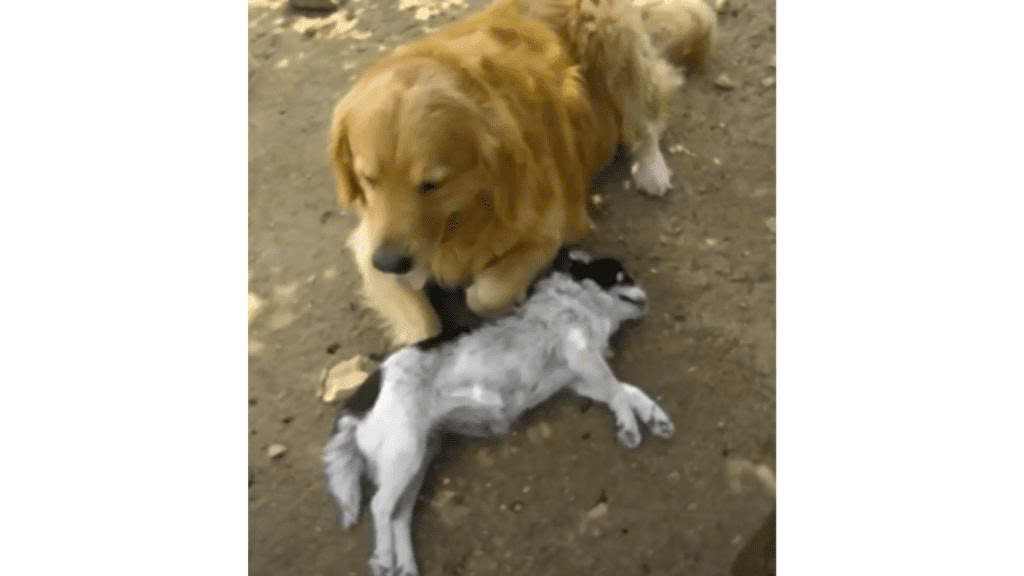

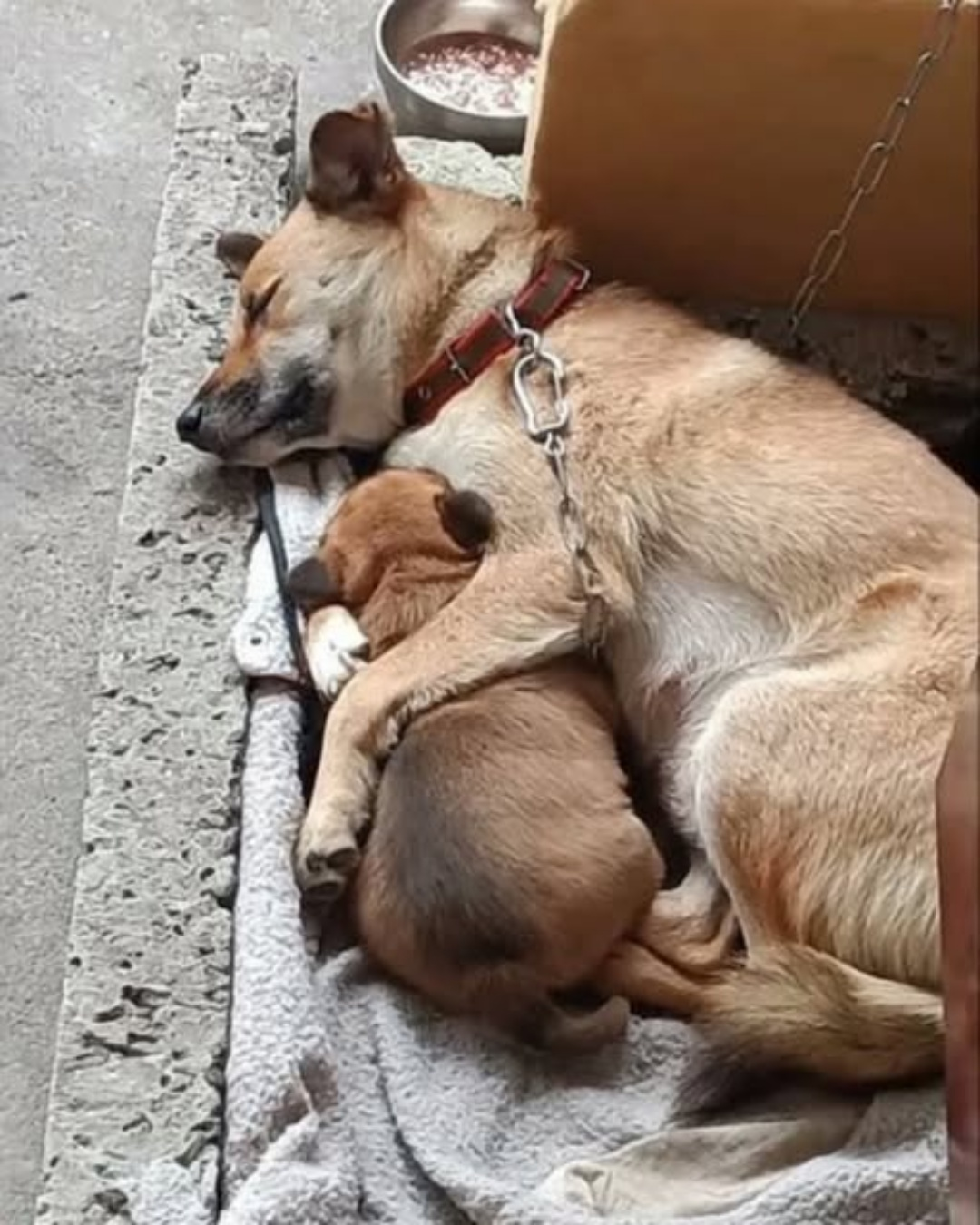


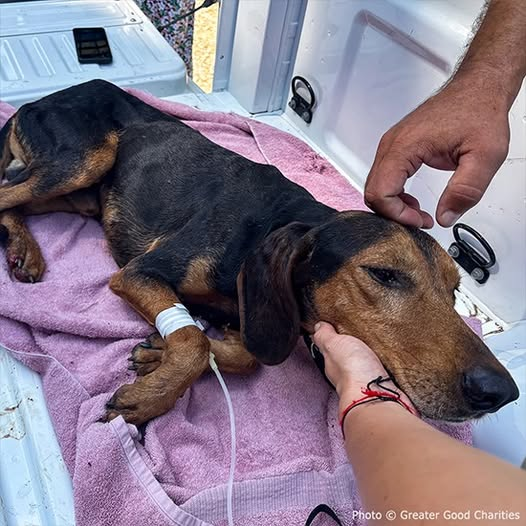

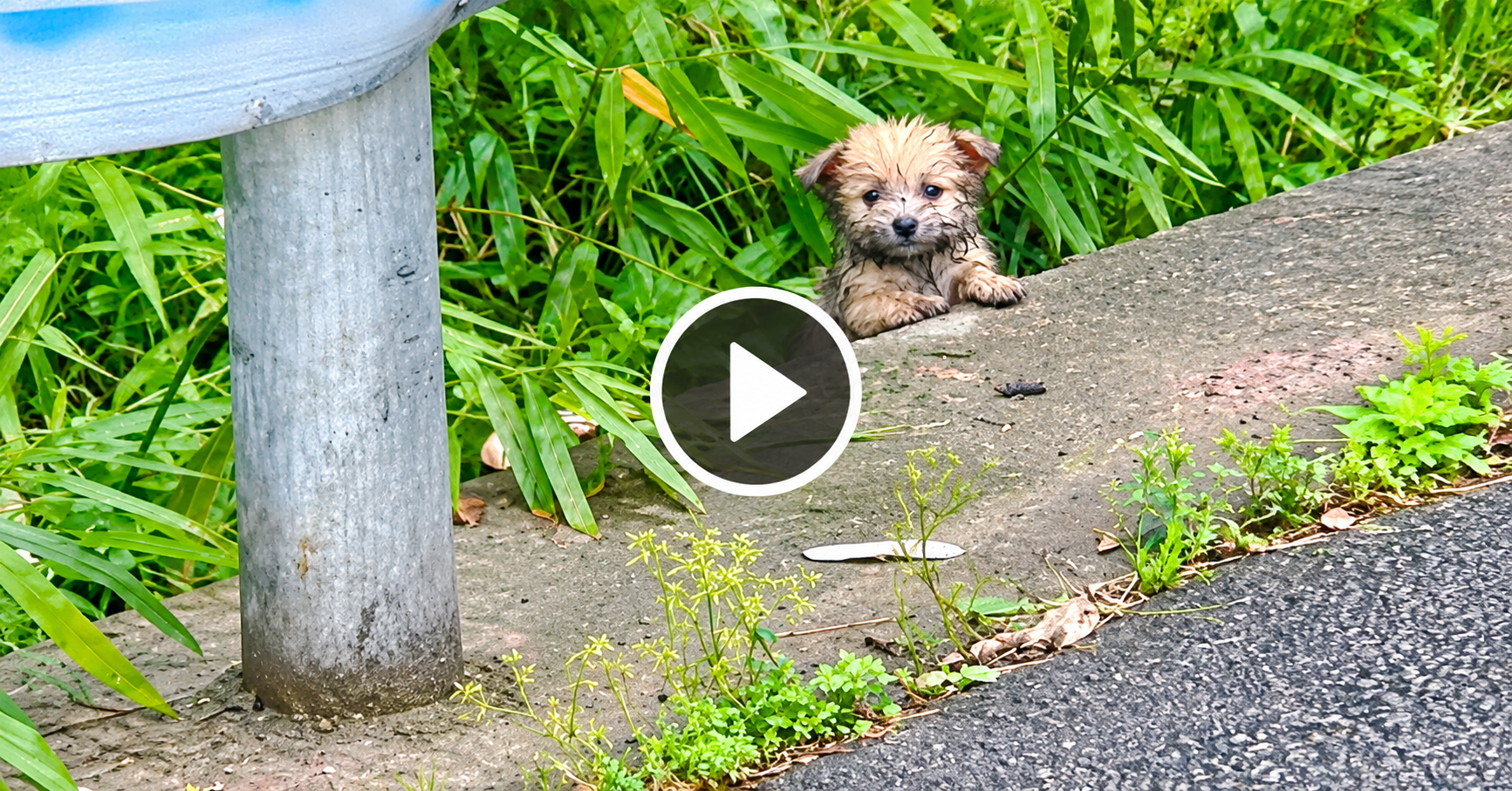
Returning to one’s hometown often brings back memories of familiar streets, friendly faces, and places that once felt like home. Yet sometimes, an unexpected encounter can turn an ordinary visit into an emotional experience. A video described as showing an abandoned puppy in someone’s hometown has touched on a feeling many animal lovers understand: the sadness and helplessness of seeing a little dog without a family or a safe place to stay.
The accompanying description expresses the emotional difficulty of discovering a puppy that appears to have been left behind. For someone who cares deeply about animals, such a sight can raise many questions. Where did the puppy come from, how long has it been alone, and does it have anyone looking after it? Although the full circumstances surrounding this particular dog have not been confirmed, the situation reflects a challenge faced by stray animals in many communities.
An abandoned puppy is especially vulnerable because it is still learning how to navigate the world. Young dogs depend on people for regular meals, clean drinking water, protection, and medical attention. Without those basic needs, even ordinary daily challenges can become difficult, particularly when a puppy has not yet developed the confidence or experience to survive independently.
For many people, the hardest part of seeing a stray animal is knowing that kindness alone may not immediately solve the problem. Someone might want to take the puppy home but lack the space, time, or resources to provide long-term care. Others may already have pets or family responsibilities that make adopting another animal difficult. This feeling of helplessness is understandable, but there are still meaningful ways to help.
The first step when encountering a puppy alone is to observe its condition and surroundings carefully. It may be a stray animal, but it is also possible that the puppy has become separated from its family or wandered away from a nearby home. If the location is safe, taking a moment to look for signs of an owner or asking nearby residents may help clarify the situation before making further decisions.
If the puppy appears approachable, offering clean drinking water and suitable food can provide immediate support. Food should be appropriate for a young dog, and people should avoid giving it items that may upset its stomach or be unsafe for animals. A quiet and sheltered place can also help the puppy feel more comfortable while someone considers the next steps.
However, approaching an unfamiliar animal should always be done gently. A puppy that has spent time outdoors may be frightened, hungry, or uncertain around strangers, even if it appears friendly at first. Moving slowly, avoiding sudden gestures, and allowing the dog to approach voluntarily can help reduce stress and make the interaction safer for everyone.
A local veterinarian or animal rescue organization may be able to provide valuable assistance. They can help assess the puppy’s general condition, check for common health concerns, and advise whether it needs immediate treatment. If the animal appears weak, injured, or unwell, seeking professional care should take priority over attempting to manage the situation alone.
Finding a safe temporary home can also make a significant difference. A trusted neighbor, family member, or local foster volunteer may be willing to provide shelter while a longer-term arrangement is considered. Temporary care gives the puppy a chance to rest, receive regular meals, and become more comfortable around people without requiring the first person who discovers it to make an immediate permanent adoption decision.
The wider issue of abandoned and stray dogs is often more complicated than one individual encounter. Some animals are left behind when families move, while others are born outdoors after their parents have been abandoned or allowed to roam freely. In some communities, limited access to affordable veterinary services and a lack of awareness about responsible pet ownership can make the situation more difficult.
Preventing abandonment requires a combination of education, practical support, and responsible decisions. People considering adopting a dog should think carefully about the time, financial commitment, and daily care involved. A puppy may be small and adorable, but it will grow and continue to need attention, training, food, and veterinary care throughout its life.
Responsible pet ownership also includes preventing unwanted litters. Discussing suitable sterilization options with a veterinarian can help owners make informed decisions about their animals. Community programs that provide accessible veterinary advice and support may also help reduce the number of puppies born into circumstances where they do not have reliable care.
Local residents can play an important role in helping stray dogs. Neighbors who notice an animal regularly appearing in the same area may share information with rescue groups or coordinate safe feeding and temporary shelter. Even small efforts, such as providing clean water during hot weather or helping locate a suitable foster home, can improve an animal’s daily life.
Social media can be another useful tool when used responsibly. A clear photograph, the general area where the puppy was found, and a description of its condition may help reach people who recognize the animal or are willing to offer assistance. Posts should avoid sharing sensitive personal information, and anyone arranging an adoption should take reasonable steps to ensure that the puppy is going to a safe and responsible home.
For people who cannot adopt, supporting an established rescue group may be another practical option. Donations of suitable food, towels, basic supplies, or veterinary assistance can help organizations care for more animals. Volunteering to transport a dog, share an adoption notice, or provide temporary fostering may also make a difference without requiring a permanent commitment.
It is equally important to remember that rescuing an animal is not always a simple process. Some puppies need time to become comfortable with human contact, while others may require medical treatment before they are ready for adoption. Patience and professional guidance can help ensure that the transition from an uncertain outdoor environment to a secure home is handled responsibly.
The emotional response described in the video is something many people can relate to, especially when the abandoned puppy is discovered in a place connected to childhood memories and family life. A hometown may feel familiar and comforting, but seeing a vulnerable animal there can reveal a side of the community that needs attention. It can remind residents that caring for animals is a shared responsibility rather than something that belongs only to rescue organizations.
There is also a valuable lesson for families teaching children about kindness. Children can learn that animals have needs, feelings, and limits, and that caring for them involves more than playing or taking photographs. With adult guidance, they can participate in safe activities such as preparing food and water, helping organize supplies, or supporting a responsible adoption effort.
Although the puppy’s eventual situation is not confirmed by the available description, its story can encourage people to look more closely at the animals around them. A small act of concern may lead to a conversation with a neighbor, a call to a rescue group, or the discovery of someone willing to provide a temporary home. Not every person can save every stray dog, but many people can contribute something useful.
Ultimately, an abandoned puppy does not need grand gestures to receive a better chance at life. It needs safety, proper care, patience, and people willing to take its needs seriously. When communities work together, a puppy that once seemed alone may have an opportunity to find a caring family and enjoy the security every companion animal deserves.
The next time someone encounters a little dog without an obvious home, the feeling of helplessness does not have to be the end of the story. A thoughtful response, a connection with local rescuers, or a small contribution toward temporary care can become the beginning of something positive. Every act of responsible kindness helps build a community where fewer animals are left behind and more dogs have the chance to experience the warmth of a safe and loving home.