




In every corner of the world, stories of loyalty between animals continue to remind people that friendship is not limited by words. While many acts of devotion happen unnoticed every day, some moments are witnessed by passersby and shared with others, inspiring compassion and reflection. One recent scene involving two dogs captured attention because of the extraordinary bond they appeared to share during an unexpected tragedy.

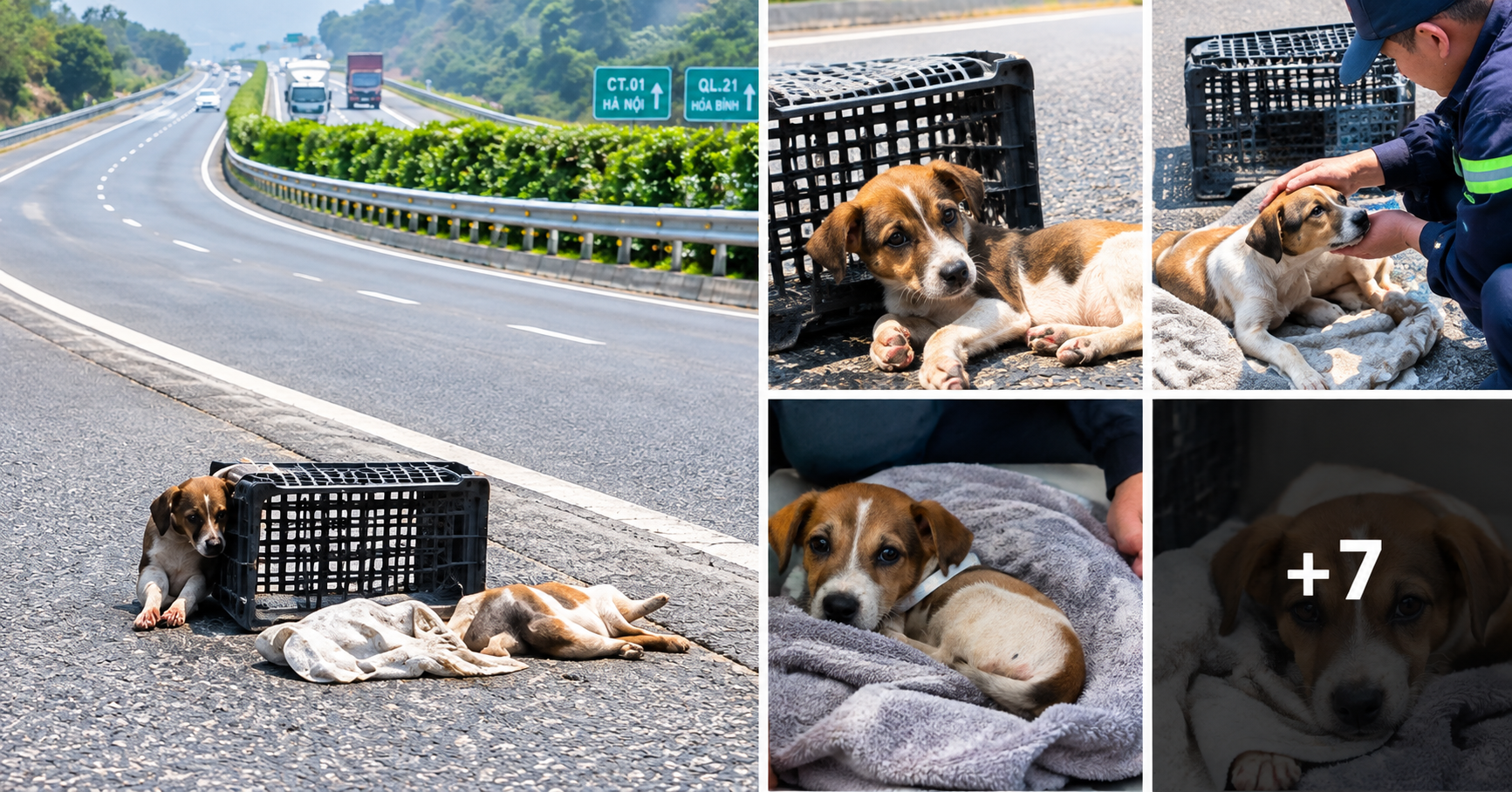
The incident reportedly began when two dogs were traveling together near a busy roadway. Like many stray or free-roaming dogs, they relied on one another for companionship and safety as they searched for food and navigated traffic. Unfortunately, one of the dogs was struck by a passing vehicle during the journey. The accident happened quickly, leaving little time for anyone nearby to react.
As traffic continued moving, the injured dog remained motionless by the roadside. The second dog immediately rushed toward its companion instead of running away from the noise and danger. Witnesses described the surviving dog standing close, watching carefully and appearing unwilling to leave, even as people gathered nearby to observe the situation.
Many who saw the scene were deeply moved by the dog’s behavior. Rather than wandering off in search of food or shelter, it stayed beside its longtime companion as if waiting for something to change. Every passing minute seemed to strengthen the impression that the surviving dog was determined to remain close, regardless of the circumstances.
Animals express emotions differently from humans, and scientists continue to study how they experience attachment, stress, and loss. Dogs, in particular, are highly social animals that often develop strong relationships not only with people but also with other dogs. These connections are built through shared experiences, daily routines, and mutual dependence over long periods.
For dogs living together outdoors, companionship can become especially important. They often sleep near one another, search for food as a pair, and help each other stay alert to potential dangers. Because they spend so much time together, separating suddenly from a companion may create confusion and distress that observers can recognize through changes in behavior.
Witnesses noted that the surviving dog repeatedly looked toward its companion before scanning the surrounding area. It remained alert but did not appear interested in leaving the location. Even when strangers approached carefully, the dog continued returning to the same position beside the injured animal, as though protecting it.
Scenes like this often remind people that loyalty is not a quality found only in human relationships. Throughout history, countless stories have described animals remaining faithful to friends, family members, or owners during difficult moments. While each situation is unique, these examples continue to demonstrate the remarkable social bonds that many animals develop.
The emotional response from people nearby was immediate. Some slowed their vehicles, while others stopped to see whether assistance could be provided. Several individuals reportedly contacted local animal rescuers, hoping trained volunteers could respond quickly to the situation.
Animal rescue organizations frequently emphasize that quick reporting can make a significant difference when injured animals are found near busy roads. Even when an animal cannot be saved, removing it safely from traffic helps prevent additional accidents while allowing surviving companions to be cared for appropriately. Community involvement often becomes the first step toward providing that help.
Volunteers who regularly work with stray animals understand that surviving companions may be frightened, confused, or reluctant to leave an injured friend. Instead of forcing immediate separation, experienced rescuers usually approach calmly and patiently, allowing the animals to become more comfortable before attempting assistance. Gentle handling reduces stress and increases the likelihood of a safe rescue.
The story also sparked broader conversations about the lives of stray dogs. Across many cities, countless dogs face daily challenges, including finding food, avoiding traffic, and coping with changing weather conditions. Despite these hardships, many still form lasting friendships that help them survive together.
Researchers have long observed cooperative behaviors among dogs living in groups. They often communicate through body language, vocalizations, and shared movement rather than spoken language. These interactions allow them to coordinate activities and maintain social relationships that sometimes last for years.
The surviving dog’s decision to remain nearby resonated with many viewers because it reflected a familiar experience. People often associate loyalty with standing beside someone during difficult times, and seeing similar behavior in an animal naturally evokes empathy. Although humans should avoid assigning overly complex emotions without scientific evidence, the visible attachment between the two dogs was unmistakable.
Stories involving compassionate animal behavior frequently encourage communities to think differently about stray animals. Instead of viewing them simply as part of the urban environment, people begin recognizing them as living creatures capable of forming meaningful social connections. This shift in perspective often inspires greater support for rescue programs and responsible animal welfare initiatives.
Local rescue groups around the world depend heavily on public awareness. Many successful rescues begin with a single phone call from someone who notices an animal in need. Without those reports, injured animals may remain unnoticed for extended periods, reducing opportunities for timely assistance.
Veterinarians also encourage pet owners to ensure their own dogs are properly supervised when outdoors. Secure fencing, reliable leashes, and identification tags significantly reduce the risk of traffic-related accidents. Preventive measures remain one of the most effective ways to protect companion animals from unexpected dangers.
For communities with large stray populations, long-term solutions require cooperation between residents, rescue organizations, and local authorities. Programs promoting vaccination, sterilization, adoption, and public education have helped reduce risks for both animals and people in many regions. These efforts improve overall animal welfare while creating safer neighborhoods.
Many people who watched the touching scene later shared their own experiences with loyal pets. Some recalled dogs waiting faithfully for family members each day, while others described lifelong friendships between multiple household pets. These personal memories demonstrated how common deep bonds between animals can be.
Animal behavior specialists often explain that companionship provides dogs with emotional stability as well as practical benefits. Familiar companions help reduce stress during unfamiliar situations and offer reassurance in challenging environments. Losing such a companion may temporarily alter behavior, appetite, or activity levels until the surviving animal gradually adjusts.
Although heartbreaking moments like this remind us of life’s fragility, they also highlight the kindness that emerges when communities respond with compassion. Passersby who stopped, rescuers who answered calls, and people who later shared the story all contributed to raising awareness about the importance of helping vulnerable animals.
The quiet image of one dog refusing to leave the side of another did not rely on dramatic action or extraordinary circumstances. Instead, its power came from a simple display of companionship that anyone could understand. Sometimes the strongest expressions of loyalty are found not in grand gestures but in the decision to remain present during life’s most difficult moments.
As the story spread, many readers expressed hope that the surviving dog would eventually receive care and a safe place to live. Whether through adoption, rescue, or community support, countless animals have been given new opportunities because compassionate individuals chose to act after witnessing similar situations. Every act of kindness, no matter how small, contributes to a better future for animals in need.
Ultimately, this touching roadside encounter serves as a gentle reminder that empathy extends beyond human relationships. Animals also build friendships, rely on one another, and sometimes display remarkable devotion in the face of hardship. Their actions encourage people to look more closely at the world around them and to recognize that compassion, whether shown by humans or animals, has the power to inspire hope even during difficult moments.