


Every animal deserves kindness, protection, and the opportunity to live in a safe environment. Sometimes, an ordinary moment on a busy road reveals just how meaningful these values can be. A touching video circulating online shows a dog remaining close to its companion in a dangerous roadside situation, appearing reluctant to leave while vehicles continue to pass. The scene draws attention to the bond that can develop between animals and the difficulties stray dogs may face when they have no safe place to turn. More importantly, it reminds viewers that compassion for animals should extend beyond our own pets to every creature that may need help.
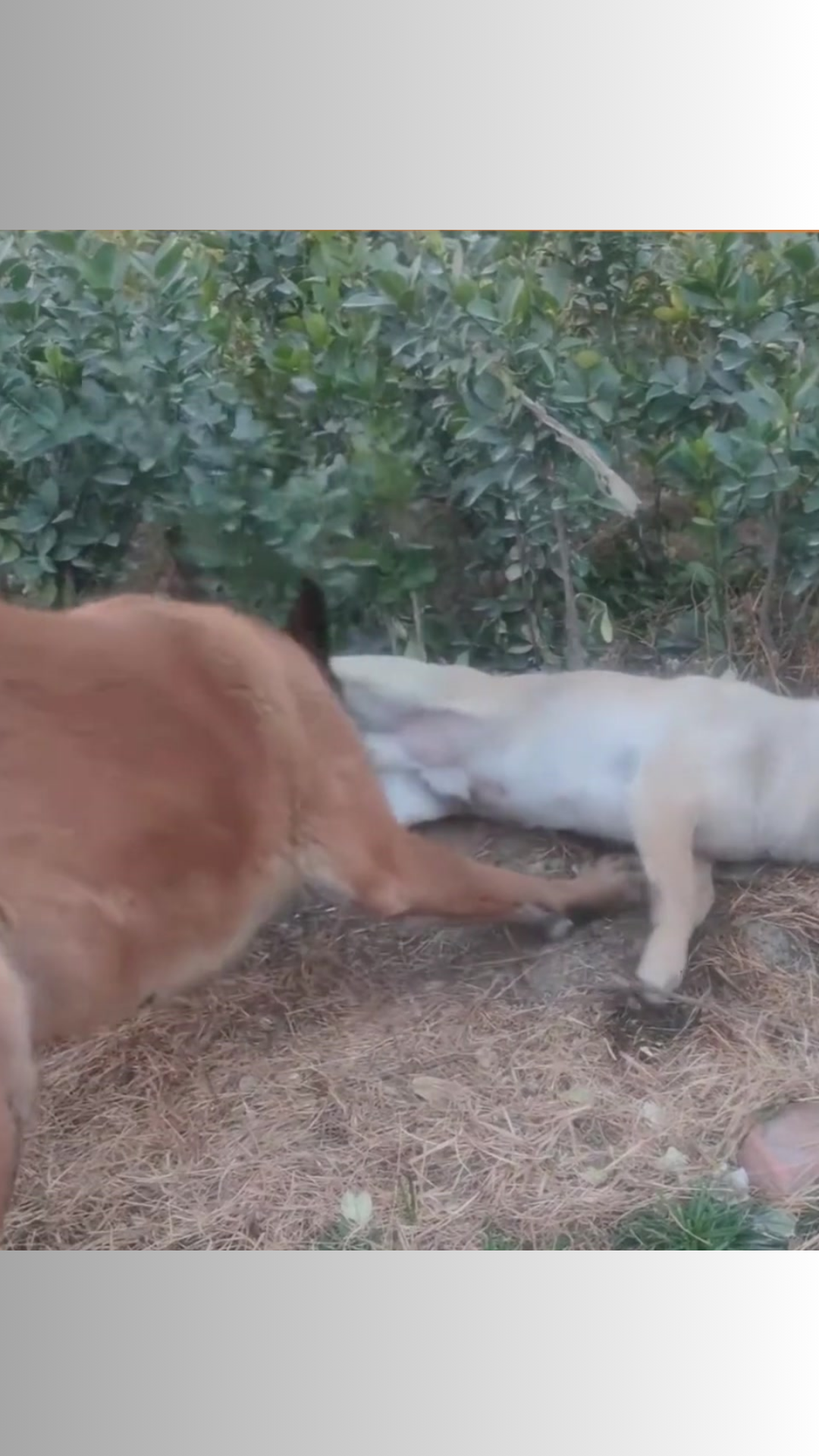
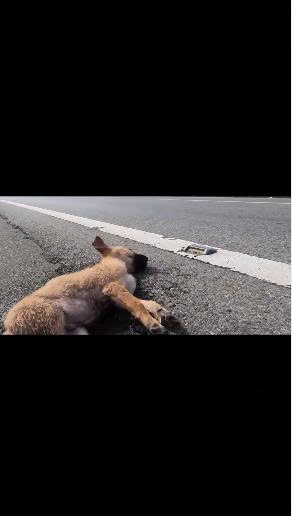
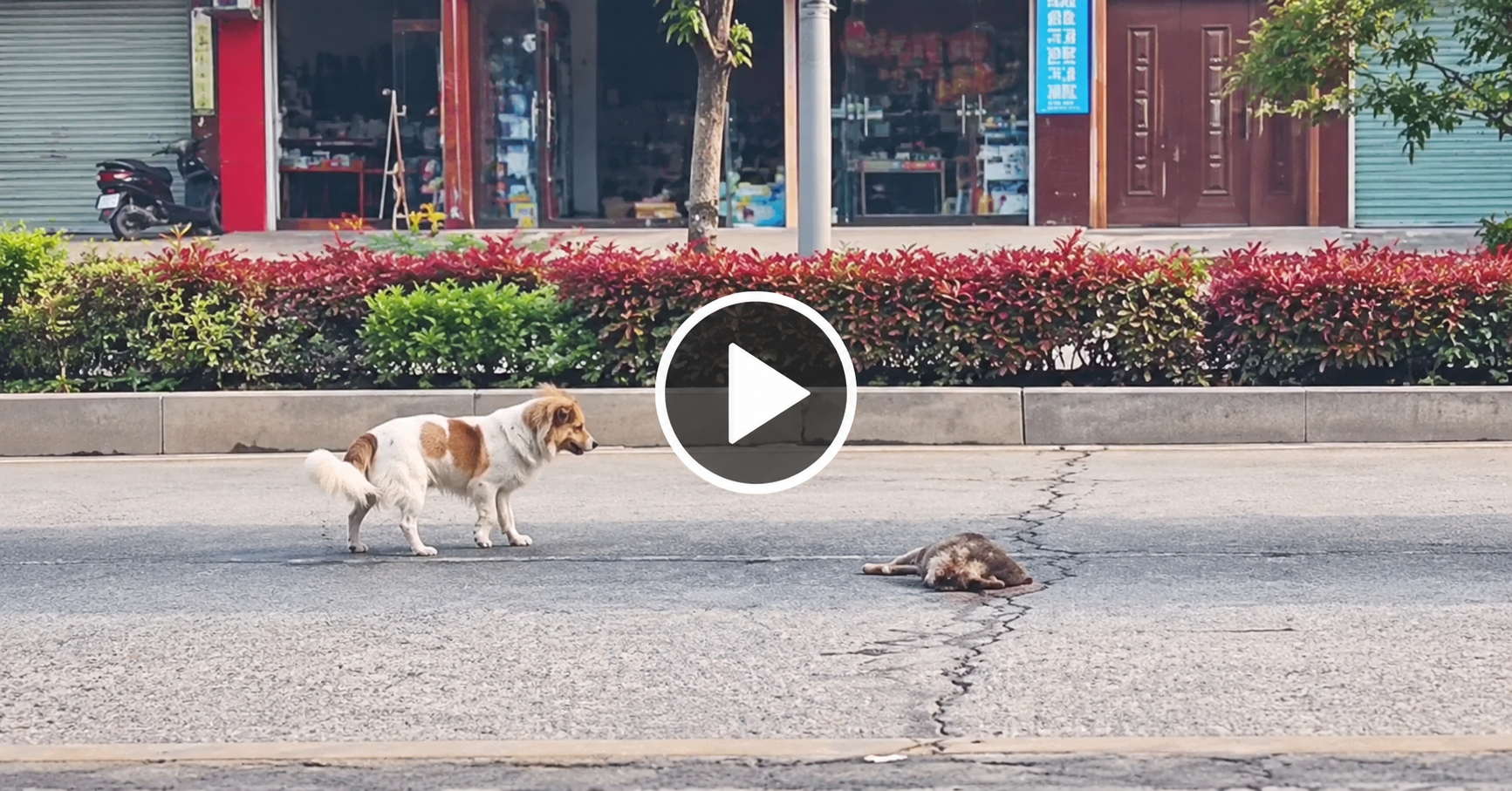
In the video, a dog appears deeply concerned about another dog lying near a roadway. As vehicles travel past, the standing dog remains close to its companion, seemingly searching for a way to help. The busy surroundings make the situation particularly challenging because the animals are close to moving traffic, leaving little room for a safe approach. The standing dog appears unable to move its companion to a more protected location on its own. Although a short video cannot tell us everything about the animals or the circumstances that brought them there, the scene encourages viewers to think about the importance of road safety and responsible animal care.
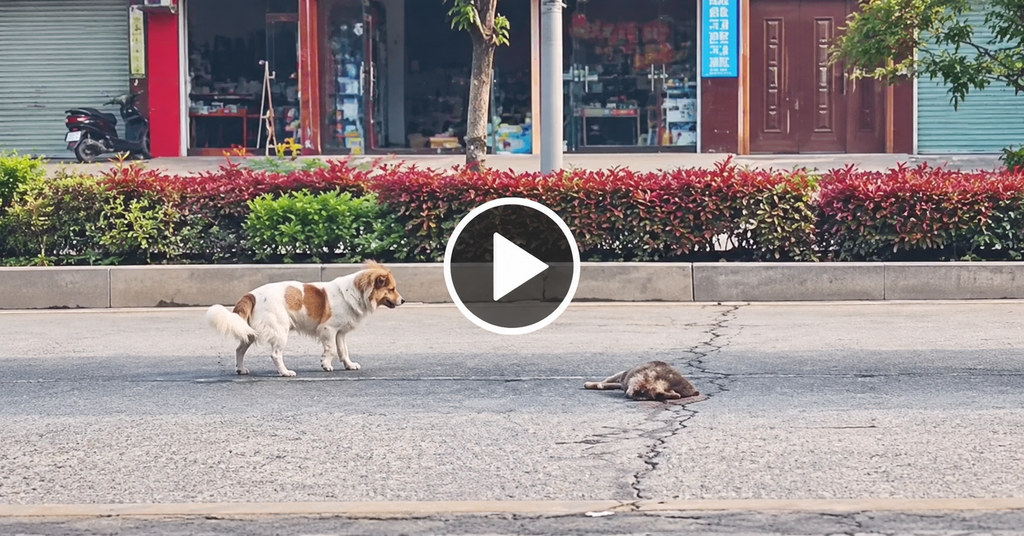
One of the most noticeable aspects of the footage is the standing dog’s continued attention toward its companion. Rather than simply moving away from the area, it remains nearby as traffic passes. Its behavior may reflect concern, attachment, uncertainty, or an instinct to stay close to a familiar animal. While it is impossible to know exactly what the dog is thinking, its actions create a powerful reminder that dogs can form meaningful social bonds. Animals may seek the company of familiar companions, respond to changes in their behavior, and remain close when something in their surroundings appears unusual.
Dogs communicate in many ways, often through body posture, movement, facial expressions, and their distance from other animals. A dog that stays close to another may be showing familiarity, social interest, or a response to an unfamiliar situation. These behaviors should be interpreted carefully because no single movement can explain an animal’s emotions with certainty. Nevertheless, the relationship shown in the video encourages a broader appreciation of canine behavior and the social connections that can develop between dogs living together or sharing the same outdoor environment.
The roadside setting adds another important dimension to the story. Roads are designed for vehicles, but stray animals may cross them while searching for food, water, shelter, or a familiar companion. In busy areas, traffic can create serious hazards for dogs that do not have a secure place to stay. An animal that is frightened, unwell, or unfamiliar with the surrounding environment may have difficulty recognizing where it is safe to move. For this reason, responsible driving and greater public awareness can play an important role in preventing accidents involving animals.
When drivers see a dog near the road, slowing down when safe, remaining alert, and avoiding sudden movements can help reduce additional risks. Drivers should never stop abruptly in a way that creates a hazard for other road users. If an animal appears unable to move or is in immediate danger, contacting local animal rescue services or the appropriate authorities may be the most effective way to obtain assistance. These simple actions can help protect both animals and people while giving trained responders an opportunity to assess the situation.
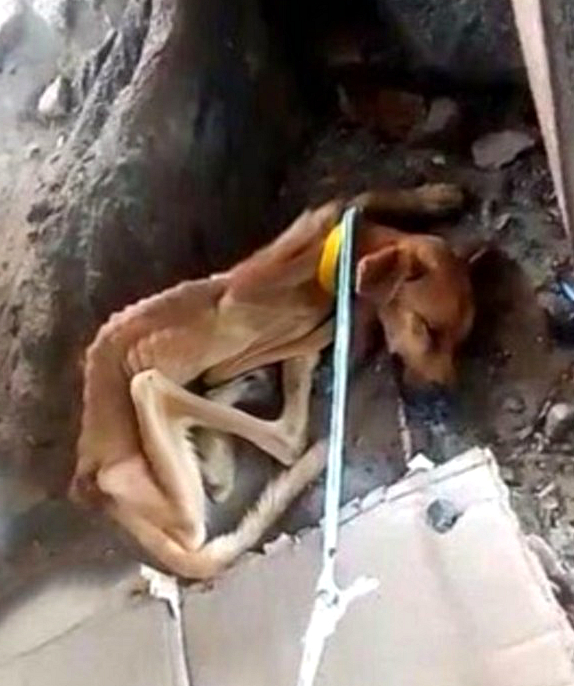
The dog in the video appears to face a problem that it cannot easily solve alone. Even when dogs show strong attachment to one another, they do not have the ability to contact emergency services, direct traffic, or understand the safest way to move through a busy roadway. A dog may try to remain close to a companion without knowing how to change the circumstances. This is where human responsibility becomes especially important. People can recognize the broader danger, seek appropriate assistance, and help create a safer outcome for animals that are vulnerable or unable to protect themselves.
Animal rescue often begins with someone noticing a situation that others might overlook. A passerby who sees a dog lying beside a road may be able to provide useful information to a local rescue organization, including the location and the animal’s apparent condition. However, approaching a frightened or injured dog without preparation can sometimes make the situation more difficult. It is generally safer to keep a reasonable distance from moving traffic, avoid forcing the animal to move, and seek help from experienced rescuers. A calm, careful response is often more useful than acting impulsively.
If a dog appears injured or unable to stand, veterinary assistance may be necessary. A professional can examine the animal, identify possible injuries, and recommend appropriate treatment. Even when there are no obvious signs of injury, an assessment may help determine whether the dog needs further care. If another dog remains nearby, rescuers should also consider its safety and emotional state while arranging assistance. Separating familiar animals unnecessarily may add stress, although immediate safety must always come first. Each animal should be assessed according to its condition and the circumstances at the scene.
The story also highlights the challenges faced by stray dogs in communities around the world. Without a permanent caregiver, these animals may have to navigate roads, changing weather, limited food supplies, and unfamiliar surroundings every day. Some find shelter near buildings or shops, while others remain in parks, empty lots, or residential streets. Their circumstances can make it difficult to obtain regular veterinary care or protection from traffic. Community programs that provide humane treatment, responsible adoption, and access to veterinary services can help improve conditions for these animals over time.
Responsible pet ownership is another important part of preventing similar situations. Dogs should be kept in secure areas, supervised when outdoors, and given identification that can help reunite them with their families if they become lost. Secure fencing, appropriate leads, and reliable identification details can reduce the likelihood that a companion animal will wander into traffic. Pet owners can also teach family members how to respond if a dog goes missing, including contacting nearby shelters and sharing accurate information with local animal welfare groups. Preventive measures may seem simple, but they can make a substantial difference to an animal’s safety.
For stray dogs that do not have a family, fostering and adoption can provide a path toward a more stable life. A responsible foster caregiver offers temporary shelter, food, water, and observation while helping an animal adjust to a protected environment. Adoption can provide a longer-term solution when the household has the time, resources, and willingness to meet the dog’s needs. Before taking in an unfamiliar dog, caregivers should consider a veterinary examination and follow professional guidance about vaccinations, parasite prevention, and suitable nutrition. A safe home is not only a place to sleep; it is a commitment to consistent care.
The emotional side of animal welfare deserves attention as well. Dogs may need time to adjust after a stressful experience, especially if they have spent a long period living outdoors. A calm space, predictable routines, and gentle interaction can help a rescued animal become more comfortable. Caregivers should allow the dog to approach at its own pace and avoid overwhelming it with noise or unfamiliar people. When two dogs share a close bond, their needs should be considered individually while taking their relationship into account. Patience and observation can help caregivers understand what makes each animal feel secure.
Stories like this one can also encourage people to support local animal welfare organizations. Volunteers may assist with feeding programs, temporary foster care, transport to veterinary clinics, and efforts to reunite lost pets with their owners. Donations can help provide food, medical treatment, and safe shelter for animals that need support. Even people who cannot adopt a dog may be able to contribute by sharing verified rescue information or helping community members identify appropriate services. Meaningful change often comes from many small efforts rather than a single dramatic act.
At the same time, videos shared online should be approached with care and compassion. A short recording may show only one part of an animal’s experience, and viewers may not know what happened before filming began or afterward. It is important not to assume that a dog has been abandoned, that a particular injury has occurred, or that a rescue has succeeded unless reliable information confirms those details. Responsible storytelling can still be moving without exaggerating the situation. By focusing on animal welfare, safe rescue practices, and practical ways to help, a video can encourage awareness while respecting the limits of what is known.
The most hopeful possibility for the two dogs is that someone can reach them safely, assess their needs, and arrange the right assistance. If the dog lying near the road requires medical attention, a veterinary professional can help guide its recovery. The other dog may also benefit from being moved to a secure environment where it can rest away from traffic. If the animals are found to be bonded companions, a suitable caregiver or rescue organization may be able to explore whether they can remain together safely. Although the video does not confirm the final outcome, these are constructive steps that could give both animals a better chance at a peaceful future.
Imagine the two dogs eventually resting in a quiet, protected place, with clean water, comfortable bedding, and people who understand their needs. Once any necessary veterinary care has been provided, they could have the opportunity to settle into a regular routine without the immediate uncertainty of a busy roadway. If a responsible family is able to care for them, their days might become filled with safe walks, nourishing meals, and the comfort of familiar companionship. This is a hopeful possibility rather than a confirmed ending, but it illustrates what thoughtful animal rescue and responsible adoption can make possible.
Ultimately, this touching dog story reminds us that every animal deserves to be treated with respect. The standing dog’s apparent concern for its companion invites viewers to reflect on the bonds animals can form and the challenges they face when left vulnerable near busy roads. More importantly, the scene highlights the role people can play through careful driving, responsible pet ownership, humane rescue efforts, and support for animal welfare programs. A compassionate response can create opportunities for animals to receive the care and protection they need. With timely assistance and a safe place to recover, these two dogs may yet have the chance to leave the uncertainty of the roadside behind and enjoy a brighter future filled with security, companionship, and kindness.